You Gotta See These Ljubljana Spots — Local Shopping Gems Most Tourists Miss
Ljubljana isn’t just a postcard-perfect capital with cobbled streets and riverside cafés — it’s a hidden playground for smart shoppers. I was blown away by how much character its markets, boutiques, and artisan corners hold. Forget generic malls; this city delivers authentic, one-of-a-kind finds. From handcrafted Slovenian wool to vintage treasures, every purchase feels meaningful. Let me show you where to go — and why shopping here is an experience, not just a task.
The Heartbeat of Ljubljana: Central Market (Glavna Tržnica)
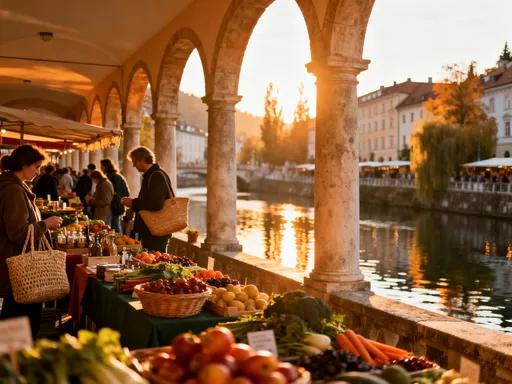
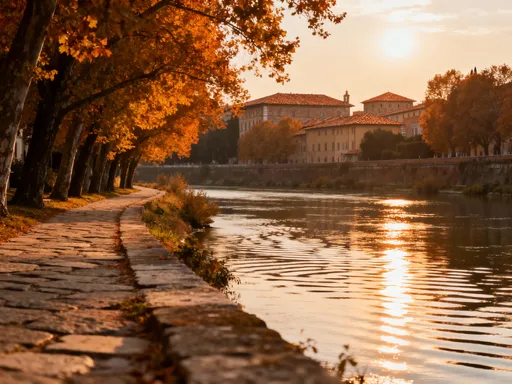
Situated along the graceful curve of the Ljubljanica River, the Central Market — or Glavna Tržnica — is the city’s culinary and cultural pulse. Designed by Slovenia’s most revered architect, Jože Plečnik, in the early 20th century, this covered market stretches beneath elegant colonnades that blend classical symmetry with local craftsmanship. Every morning, sunlight filters through the arched walkways, illuminating baskets of ripe cherries, jars of golden honey, and pyramids of seasonal vegetables grown in nearby villages. The air carries the earthy scent of mushrooms, the tang of aged cheese, and the sweet perfume of wild strawberries — a sensory invitation impossible to resist.
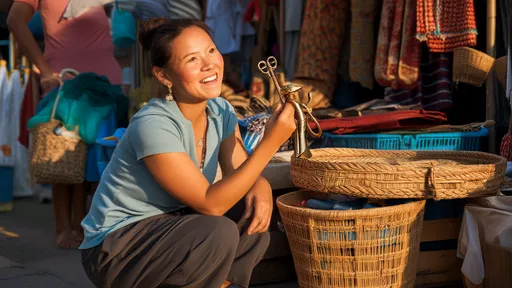
What makes the Central Market truly special is its authenticity. This is not a tourist-driven bazaar but a place where locals gather to shop, chat, and start their day. Vendors — many of whom are farmers from the surrounding countryside — proudly display produce that has traveled fewer than 50 kilometers. You’ll find heirloom tomatoes from the Vipava Valley, creamy skuta cheese made with traditional methods, and raw honey infused with linden blossom, known across Slovenia for its calming properties. On weekends, the market expands with artisan pop-ups offering handmade soaps from goat’s milk, handwoven linen towels, and small-batch pottery fired in wood-burning kilns.
For the best experience, arrive early — ideally between 7:00 and 9:00 a.m. — when the stalls are fully stocked and the atmosphere is lively but not crowded. While bargaining isn’t customary, a warm greeting and a few words in Slovenian, such as “Dober dan” (good day) or “Koliko stane?” (how much?), are appreciated. Most vendors respond with a smile and often share stories about their products. A cup of coffee from a nearby riverside kiosk, paired with a flaky potica — a spiral pastry filled with walnut or tarragon — makes the perfect companion to your morning exploration. The Central Market isn’t just a place to shop; it’s a living expression of Slovenian life, where food, community, and tradition intersect.
Crafted with Care: Slovenia’s Artisan Culture on Display
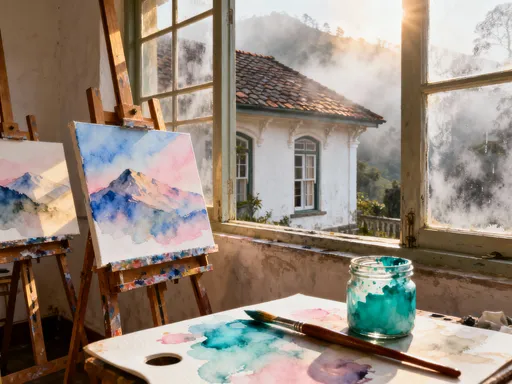
Ljubljana has quietly become a sanctuary for artisans, where age-old techniques meet modern design sensibilities. This is a city that values slow creation over mass production, and its support for independent makers is evident in the growing number of craft studios, co-op galleries, and seasonal pop-up markets. Here, shopping becomes a form of cultural appreciation — each item tells a story of heritage, patience, and regional pride. Whether it’s a pair of hand-knitted gloves from Idrija, a wooden spoon carved from beechwood, or a beeswax candle scented with mountain herbs, these pieces carry the soul of Slovenia.
One of the most celebrated traditions is Idrija lace-making, a craft recognized by UNESCO as part of the intangible cultural heritage of humanity. Though the town of Idrija is about an hour from Ljubljana, its delicate lacework is frequently featured in city boutiques and craft fairs. You’ll find it embellishing collars, table runners, and even modern accessories like clutch bags. Similarly, the art of wood carving thrives in Slovenia’s alpine regions, and in Ljubljana, you can discover beautifully turned bowls, spoons, and figurines made from sustainably harvested timber. These items are not only functional but also serve as quiet testaments to a way of life rooted in harmony with nature.
For those interested in natural wellness, beeswax candles and skincare products made with propolis and honey are widely available. Slovenian beekeeping is a point of national pride, with the native Carniolan honeybee known for its gentle nature and high productivity. Many small producers use organic methods and minimal processing, ensuring their goods retain their therapeutic qualities. You can find these items at weekend craft fairs held at Cankarjev Dom, a cultural center that hosts rotating exhibitions of local talent. Another hotspot is Metelkova Mesto, a former military barracks transformed into an arts and culture district, where experimental design meets traditional craftsmanship during special events.
What sets these artisan goods apart is their intentionality. They are made to last, designed with care, and often packaged without plastic. When you choose such items as souvenirs, you’re not just bringing home a memento — you’re supporting sustainable livelihoods and preserving centuries-old skills. In a world of disposable fashion and fast consumerism, Ljubljana’s artisan culture offers a refreshing alternative: shopping with conscience and connection.
Open-Air Treasures: Monthly Markets and Seasonal Fairs
Beyond the daily rhythm of the Central Market, Ljubljana comes alive with a calendar of seasonal fairs and themed markets that transform its public squares into vibrant shopping destinations. These events offer a rotating cast of vendors, each bringing a fresh perspective on local food, design, and sustainability. One of the most beloved is the Eco Market at Kongresni Trg, held every Thursday from spring through autumn. This is where eco-conscious shoppers gather to find organic vegetables, biodynamic wines, and plant-based cosmetics made without synthetic additives.
The market’s emphasis on sustainability is evident in every detail — from the reusable container program for hot meals to the prohibition of single-use plastics among vendors. Shoppers are encouraged to bring their own bags and jars, and many do, reflecting a city-wide commitment to reducing waste. You’ll find small-scale producers selling cold-pressed rapeseed oil, fermented vegetables, and gluten-free bread baked in wood-fired ovens. Some stalls offer tastings, allowing you to sample before you buy, while others provide recipe cards to help you use their products at home.
As the year turns colder, Ljubljana embraces the magic of the holiday season with its renowned Christmas Market, which takes over the city center from late November through early January. Twinkling lights drape across the streets, carolers sing from the steps of the cathedral, and the scent of mulled wine — known locally as klet — fills the frosty air. Wooden chalets line Prešeren Square, each one housing a different artisan or food vendor. Here, you can find hand-carved nativity scenes, woolen hats dyed with natural pigments, and ornaments made from dried fruit and cinnamon sticks.
The Christmas Market is more than a shopping destination — it’s a celebration of togetherness and tradition. Families gather around fire pits, children ride a vintage carousel, and couples sip hot chocolate beneath heated canopies. For visitors, it’s an ideal time to pick up meaningful gifts: a hand-stitched Advent calendar, a jar of spiced plum jam, or a ceramic mug glazed in forest-green tones. Shopping here feels joyful and unhurried, a welcome contrast to the frantic pace of commercial holiday shopping elsewhere. Whether you visit in summer or winter, Ljubljana’s seasonal markets offer a chance to engage with the city’s rhythms and values — one handmade item at a time.
Beyond Souvenirs: Boutique Therapy on Main Streets
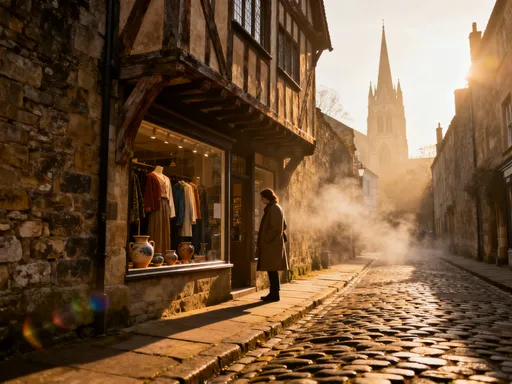
While markets offer a rustic charm, Ljubljana’s main shopping streets provide a more curated experience, blending fashion, design, and lifestyle in thoughtfully appointed boutiques. Prešeren Street, the city’s primary pedestrian thoroughfare, and the quieter Stritarjeva Street are home to a growing number of locally owned shops that reflect a distinctly European sensibility — minimalist, functional, and deeply intentional. These are not chain stores with mass-produced goods, but independent retailers showcasing emerging Slovenian designers, sustainable fashion lines, and artisanal home goods.
Walking down Prešeren Street, you’ll notice a refreshing absence of global fast-fashion brands. Instead, boutiques feature clothing made from organic cotton, linen, and recycled fibers, often dyed with plant-based colors. Labels like Manka, a Slovenian slow-fashion brand, offer timeless pieces designed to be worn for years, not seasons. Others specialize in upcycled materials, turning vintage textiles into modern garments with a nostalgic edge. Accessories are equally thoughtful — leather bags crafted by local artisans, scarves woven with traditional patterns, and jewelry made from reclaimed silver.
What makes shopping here feel like therapy is the atmosphere. Stores are uncluttered, music is soft, and staff are knowledgeable without being pushy. There’s no pressure to buy; instead, you’re invited to browse, touch the fabrics, and learn about the makers behind the products. Many boutiques double as small galleries, displaying photography or ceramics alongside clothing. Some even incorporate cafes, where you can sip herbal tea while flipping through a book on Slovenian design. One standout is a concept store that combines a curated selection of Nordic-inspired home décor, independent publications, and a coffee bar serving beans from a local roastery. It’s the kind of place where you might go for a candle and end up staying for an hour.
Store hours in Ljubljana are generally from 9:00 a.m. to 7:00 p.m. on weekdays, with shorter hours on Saturdays and closures on Sundays. This slower pace encourages a more mindful approach to shopping — one that values quality over quantity. Whether you’re looking for a new dress, a hand-thrown vase, or a beautifully bound notebook, these boutiques offer a refreshing alternative to impersonal retail. They remind us that clothing and objects can be more than commodities — they can be expressions of identity, care, and creativity.
Hidden Alleyways, Big Finds: Offbeat Shopping in Older Neighborhoods
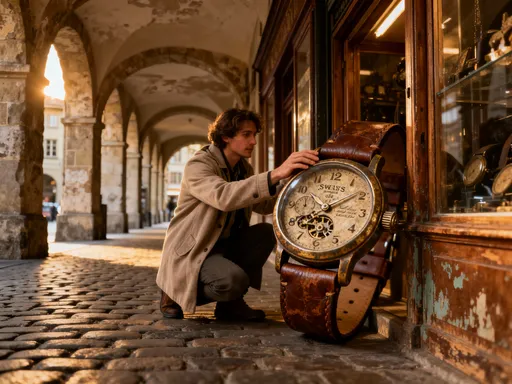
For travelers seeking the road less traveled, Ljubljana’s older residential neighborhoods hold a treasure trove of vintage shops, second-hand boutiques, and antique stalls. Areas like Krakovsko Naselje and Trnovo, located just beyond the city center, are where locals go to hunt for retro finds and unique pieces with history. These districts don’t appear on most tourist maps, but they offer some of the most rewarding shopping experiences in the city — quiet streets lined with unassuming storefronts that open up into worlds of mid-century design, vinyl records, and nostalgic memorabilia.
In Trnovo, a riverside neighborhood known for its artistic vibe, you’ll find small vintage shops tucked into converted garages and old workshops. One might specialize in 1970s Yugoslav fashion — think wide-leg trousers, embroidered blouses, and leather jackets with geometric stitching. Another could be filled with retro kitchenware: enamel pots, glassware with delicate etchings, and wooden breadboards that still carry the scent of use. These items aren’t just decorative; they’re functional, durable, and often more beautiful than their modern counterparts.
Music lovers will delight in the city’s growing number of vinyl record stores, some of which focus on Yugoslav rock, jazz, and folk music from the 1960s to the 1980s. Flipping through crates of well-preserved records, you might stumble upon a rare pressing of a Slovenian band or a vintage soundtrack from a classic Eastern European film. These finds are not just souvenirs — they’re portals to another era, offering a soundtrack to your journey through the city.
For those interested in furniture, a few shops in Krakovsko Naselje specialize in mid-century pieces restored with care. You’ll see teak sideboards, rosewood coffee tables, and sleek armchairs upholstered in original fabric. While these items may be too large to take home, browsing them is an education in design and craftsmanship. The best way to explore these neighborhoods is on foot or by bike — Ljubljana’s excellent bike-sharing system makes it easy to glide from the center to these quieter zones. A self-guided walking tour, perhaps with a printed map from the tourist office, allows you to discover these hidden gems at your own pace, turning shopping into an adventure of discovery.
Practical Tips for Stress-Free Shopping
To make the most of your shopping experience in Ljubljana, a few practical tips can go a long way. First, carry some cash — especially smaller euro notes — as many market vendors and small boutiques do not accept cards. While larger stores and malls are equipped for digital payments, cash is still king in informal settings. Having coins on hand is also useful for public restrooms, lockers, and small purchases like a pastry or a bottle of water.
Bring a reusable shopping bag. Ljubljana is one of Europe’s greenest capitals, and single-use plastic bags have been phased out in most stores. Many locals carry foldable cloth bags in their backpacks or purses, and doing the same shows respect for the city’s environmental values. Some shops even offer a small discount if you bring your own container for food items like cheese or olives.
If you’re a non-EU visitor, check whether you’re eligible for a VAT refund on purchases over a certain amount. Most larger stores participate in the tax-free shopping program, and you’ll need to request a refund form at the time of purchase. Keep your receipts organized, as you’ll need to present them at the airport when you depart. While the process takes a few extra minutes, it can result in significant savings, especially on higher-priced items like clothing or jewelry.
Be mindful of store hours. Most shops are closed on Sundays, and many close for lunch between 1:00 and 2:00 p.m. during the week. Markets are busiest on Saturday mornings, so if you prefer a quieter experience, consider visiting on a weekday. The Eco Market, for example, is best enjoyed on Thursday afternoons when the crowds are thinner and the selection is fresh.
Finally, embrace local shopping etiquette. Slovenians value politeness and sincerity. A simple “Dober dan” when entering a shop and a “Hvala” when leaving goes a long way. Take your time — rushing is not the norm. Staff will often let you browse without approaching, waiting for you to signal interest. When you do engage, expect thoughtful service and genuine recommendations. This isn’t a place where hard selling thrives; instead, trust and connection are the foundation of the shopping experience.
Why Ljubljana’s Shopping Scene Stands Out
In a world where so many cities blend into a sameness of global brands and mass-produced souvenirs, Ljubljana offers something rare: a shopping experience rooted in authenticity, sustainability, and human connection. Here, every purchase carries meaning — not because it’s expensive or trendy, but because it’s made with care, tied to a story, and reflective of a way of life. Whether you’re buying a jar of honey from a farmer at the Central Market or a hand-carved spoon from a woodworker at a craft fair, you’re participating in a tradition of mindful consumption that values quality over quantity.
What sets Ljubljana apart is its integration of shopping into daily life and culture. This is not a city that separates commerce from community; instead, markets are social hubs, boutiques are creative spaces, and artisans are celebrated as cultural stewards. The emphasis on local production reduces environmental impact, supports small businesses, and preserves traditional skills that might otherwise fade. For visitors, this means more than just finding unique items — it means connecting with the soul of Slovenia.
Shopping here becomes a form of storytelling. Each object — a piece of lace, a vintage record, a ceramic mug — carries traces of its origin, its maker, and its journey. These are not disposable items but companions for life, meant to be used, cherished, and passed on. In choosing them, you align yourself with values of sustainability, craftsmanship, and intentionality. You begin to see shopping not as a chore or indulgence, but as an act of care — for the planet, for people, and for the memories you carry home.
So as you explore Ljubljana, let your shopping be more than a checklist. Wander beyond the postcard views. Step into a quiet alleyway boutique, chat with a vendor at the market, and let yourself be surprised by what you find. Let each purchase be a moment of connection — to a place, a person, a tradition. Because in Ljubljana, what you buy isn’t just a thing. It’s a story waiting to be told.