You Won’t Believe What I Found at These Local Markets in Ha Long Bay
Ha Long Bay is more than just emerald waters and towering limestone islands—it’s a shopper’s hidden paradise. Far from typical tourist traps, the real magic lies in its bustling markets and small harbor-side stalls. I was blown away by the handmade crafts, fresh spices, and authentic souvenirs you can’t find anywhere else. This is shopping with soul, where every purchase tells a story. From the clatter of wooden boats docking at dawn to the scent of grilled squid mingling with jasmine incense, the markets of Ha Long Bay offer a sensory journey as rich as the landscape itself. Let me take you through the best places to shop and what to look for.
The Heartbeat of Ha Long Bay: Shopping as a Cultural Experience
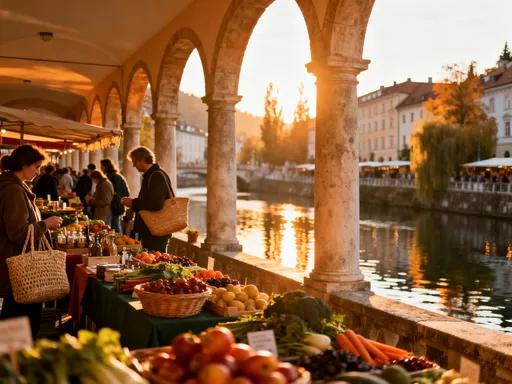
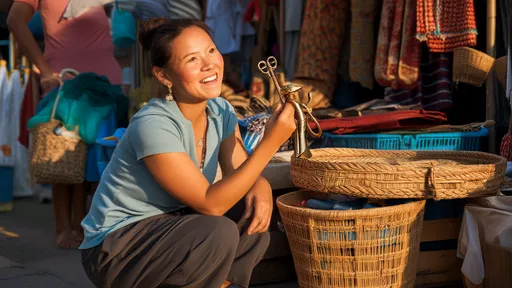
In Ha Long Bay, shopping is not merely about acquiring goods—it is a living expression of coastal Vietnamese culture. The rhythm of daily life pulses strongest in its local markets, where fishermen unload their morning catch, mothers haggle over bundles of lemongrass, and artisans display handwoven baskets beside pyramids of ripe mangoes. These spaces are community hubs, where news is exchanged as freely as banknotes, and smiles are part of the transaction. For visitors, stepping into a market is like stepping into the heart of Vietnamese resilience, creativity, and warmth.
What sets these markets apart is their authenticity. Unlike sterile shopping malls or overpriced tourist plazas, Ha Long’s markets thrive on interaction. The air hums with energy—vendors call out specials in melodic tones, children dart between stalls with plastic sandals flapping, and the scent of turmeric, chili, and salted fish weaves through the breeze. You don’t just see the culture; you smell it, taste it, feel it beneath your fingertips. A simple exchange for a bundle of fresh kaffir lime leaves becomes a moment of connection, a fleeting but meaningful bridge between traveler and local.
Engaging respectfully in this environment enhances the experience for everyone. A smile, a polite “hello” in Vietnamese (“xin chào”), or a willingness to point and gesture goes a long way. Bargaining is expected, but it should be done with lightness and good humor, never aggression. Remember, many vendors rely on these sales to support their families. Approaching shopping as a shared human experience, rather than a transactional race, deepens the journey and honors the people who make Ha Long Bay so special.
Tucked Away Gems: Discovering Authentic Markets Near the Waterfront
While Ha Long City’s central market draws crowds, the most authentic shopping experiences unfold closer to the water, where life revolves around the tides. Along the quieter edges of Bai Chay and Tuan Chau, small clusters of wooden stalls line the docks, run by families who have lived off the bay for generations. These are not constructed for tourism; they exist because fishing boats need supplies, villagers need fresh produce, and artisans pass down their crafts through daily trade.
One of the most rewarding spots is the early-morning dock market near Cai Rong, where fishing boats arrive at sunrise with glistening nets full of snapper, squid, and sea bass. Alongside the seafood, vendors sell handmade noodle sheets, bundles of aromatic herbs, and salted fish destined for family kitchens. Travelers on early cruises often catch a glimpse of this vibrant scene, and many now make it a point to return on foot or by local shuttle to explore more deeply. The market operates from 5:30 a.m. to around 9:00 a.m., offering a brief but powerful immersion into local rhythms.
Another gem is the floating market activity near Cong Dam village, where small boats laden with fruit, vegetables, and household goods drift between anchored vessels. Though smaller than the famous floating markets of the Mekong Delta, this quiet exchange reflects the same spirit of adaptation and community. Here, you might buy a hand-carved coconut spoon from a woman in a conical hat or sample freshly grilled scallops served on half-shells with a squeeze of lime. These moments aren’t staged for cameras; they are real, unfiltered slices of life.
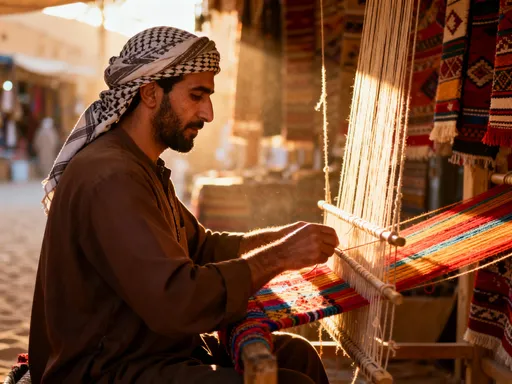
For those seeking textiles and woven goods, the morning street market in Quang Yen town, about 30 minutes from central Ha Long, offers a less touristy alternative. Vendors display hand-embroidered table runners, indigo-dyed scarves, and children’s clothing stitched with traditional motifs. The pace is slower, the prices more reflective of local value, and the interactions more personal. These markets may require a bit more effort to reach, but the authenticity they offer is well worth the journey.
From Pearls to Pottery: What to Buy (and What to Skip)
Ha Long Bay is renowned for its pearl cultivation, and some of the most beautiful jewelry can be found in small, family-run shops near the harbor. Genuine Ha Long pearls are typically smaller and more irregular in shape than commercial varieties, with a soft, iridescent glow that reflects the bay’s natural beauty. Look for vendors who allow you to see the oysters or explain their farming process. Avoid stalls with perfectly uniform pearls in bright colors—these are often imported or dyed imitations.
Beyond pearls, hand-carved souvenirs are among the most cherished purchases. Local artisans craft intricate pieces from bamboo, coconut shells, and even reclaimed boat wood. Popular items include miniature dragon boats, carved lotus flowers, and delicate lanterns that cast beautiful patterns when lit. These are not only decorative but meaningful symbols of the region’s seafaring heritage. When evaluating quality, look for smooth finishes, even grain, and signs of handwork rather than machine precision. A slight imperfection often indicates authenticity.
Silk and textile products are also widely available, particularly scarves and tunics dyed with natural pigments. Look for pieces labeled as “hand-dyed” or “block-printed”—these methods are time-intensive and reflect true craftsmanship. Be cautious of brightly colored fabrics that feel stiff or synthetic; these are likely mass-produced imports. A simple test is to crumple the fabric in your hand—real silk will wrinkle slightly and feel cool to the touch.
When it comes to food items, dried seafood such as squid, shrimp, and fish is a popular choice. These are sun-dried using traditional methods and can last for weeks if stored properly. Homemade rice paper and fermented fish sauce (nuoc mam) are also excellent souvenirs, though travelers should check customs regulations before bringing them home. Avoid any products made from coral, seashells, or protected marine life, as these contribute to environmental degradation. Instead, opt for sustainable alternatives like bamboo utensils or recycled paper notebooks decorated with local art.
Cruise Stopovers: Making the Most of Short Shopping Breaks
For travelers on day cruises or overnight excursions, time on land is often limited—sometimes as little as 60 to 90 minutes. Yet even within this window, it’s possible to make meaningful purchases and connect with local culture. The key is knowing where to go and what to prioritize. The most efficient stop is the cluster of authorized vendor stalls near the Tuan Chau International Cruise Port, where quality is regulated and lines move quickly.
These stalls offer a curated selection of authentic goods: small pearl earrings, postcard-sized bamboo paintings, and spice blends featuring lemongrass, ginger, and galangal. Because the vendors are licensed, prices are fair and haggling is minimal, allowing for a stress-free experience. Many stalls also provide packaging suitable for travel, making it easy to carry souvenirs aboard without worry.
If your cruise includes a stop at a floating village like Vung Vieng, take advantage of the opportunity to shop directly from residents. These communities welcome respectful visitors and often display handmade items on small floating platforms. A carved wooden fish charm or a hand-stitched pouch made from recycled fabric can be purchased in just a few minutes and carries far more significance than a generic magnet from a gift shop.
To maximize your time, arrive with a short list of desired items. Focus on one or two meaningful purchases rather than collecting trinkets. Keep cash in small denominations, as change can be slow. And don’t forget to take a quick photo (with permission) of the vendor or stall—this simple act transforms a souvenir into a story, enriching your memory long after you return home.
Beyond the Tourist Trail: Offbeat Spots for Unique Finds
For those willing to venture a little further, Ha Long Bay offers quiet villages and artisan workshops where creativity thrives away from the crowds. One such destination is Cat Ba Island’s Lan Ha fishing village, accessible by a short ferry ride or private boat. Here, women in conical hats weave nets while children play near brightly painted boats. A handful of family-run stalls sell handmade soaps infused with local herbs, coconut shell spoons, and embroidered wall hangings featuring marine life.
Another hidden gem is the pottery workshop near the base of Titop Island, where a small cooperative of potters uses local clay to create functional and decorative pieces. Their work blends traditional Vietnamese techniques with coastal influences—bowls shaped like scallop shells, vases etched with wave patterns, and tea sets glazed in deep ocean blues. Visitors are often invited to watch the artisans at work, and some workshops allow guests to try their hand at the wheel for a small fee.
Reaching these locations requires planning, but it’s entirely feasible for independent travelers. Local shuttles run regularly from Ha Long City to Cat Ba, and many tour operators offer half-day cultural excursions that include guided stops at artisan sites. Alternatively, hiring a motorbike or private car with a driver for a few hours provides flexibility and comfort, especially for families or older travelers.
Shopping in these offbeat locations supports small-scale producers and helps preserve traditional crafts. Each purchase directly benefits the maker, often a mother, grandmother, or retired fisherman finding new purpose in artistry. By choosing to go beyond the main piers, travelers not only find unique souvenirs but also contribute to the sustainability of local livelihoods.
Smart Shopping: Staying Aware Without Losing the Joy
As rewarding as shopping in Ha Long Bay can be, it’s important to stay mindful of what you buy and why. The region’s natural beauty is fragile, and some souvenirs—particularly those made from coral, seashells, or endangered species—can contribute to environmental harm. While a shell necklace might seem harmless, the demand for such items can lead to overharvesting and damage to marine ecosystems. Choosing alternatives made from sustainable materials helps protect the very waters that make Ha Long Bay so breathtaking.
Counterfeit goods are another concern. Some vendors sell “designer” bags, watches, or sunglasses that are clearly fake. Not only is purchasing these items illegal in many countries, but it also undermines ethical business practices. Instead, focus on locally made, original products that reflect the culture and creativity of the region. A hand-painted fan or a woven basket may cost a bit more than a knockoff handbag, but its value is immeasurable.
Be cautious of items labeled as “antique” or “historical” unless sold through licensed dealers. Vietnam has strict laws about the export of cultural artifacts, and unknowingly buying a protected object can lead to legal issues at customs. When in doubt, ask for documentation or choose modern crafts inspired by tradition rather than claimed antiques.
Ultimately, smart shopping is about balance. It means enjoying the thrill of discovery while making choices that respect the environment, the law, and the people who welcome us into their communities. When done thoughtfully, shopping becomes a form of stewardship—a way to give back even as we take something beautiful home.
Bringing Ha Long Home: How Your Purchases Keep the Journey Alive
Years from now, when the photos have faded and the tan has long disappeared, the small treasures you bring home from Ha Long Bay will still tell their story. That hand-carved wooden boat on your bookshelf? It recalls the mist rising off the water at dawn. The silk scarf draped over a chair? It carries the scent of jasmine and the memory of a kind vendor’s smile. These are not just objects—they are vessels of memory, each one a quiet ambassador of a place that touched your soul.
Thoughtful shopping transforms travel from a series of sights into a collection of connections. When you buy directly from an artisan, you participate in a tradition that spans generations. You support a family, preserve a craft, and honor a way of life. In return, you receive more than a souvenir; you receive a piece of someone’s heart, offered with pride and care.
The markets of Ha Long Bay remind us that the simplest exchanges can be the most profound. A few coins, a shared laugh, a nod of appreciation—these moments build bridges across language and culture. They teach us to slow down, to look closely, to value the handmade and the heartfelt over the mass-produced and impersonal.
So the next time you find yourself in Ha Long Bay, wander beyond the piers. Follow the scent of grilled fish, listen to the rhythm of haggling voices, and let your curiosity guide you. You may not believe what you find—but you’ll never forget it. Because the true magic of travel isn’t just in the places you see, but in the people you meet and the stories you bring home.