You Won’t Believe What I Found While Shopping in Bern
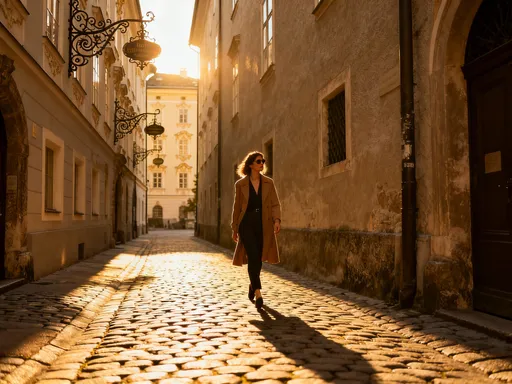
Nestled in the heart of Switzerland, Bern is more than just a picturesque capital—it’s a shopper’s hidden gem. Far from crowded tourist traps, its cobbled lanes and arcaded walkways hide a world where tradition meets style. From handmade chocolates to timeless Swiss watches, every purchase tells a story. I was stunned by how much charm fits in one city. What began as a simple errand turned into a journey through heritage, craftsmanship, and quiet elegance. Bern doesn’t shout about its treasures; it lets you discover them, one arched passage, one artisan shop, one warm smile at a time. This is shopping not as consumerism, but as connection.
Why Bern Deserves a Spot on Every Shopper’s Map
Bern stands apart as a capital city that has preserved its soul. Unlike larger European metropolises that have succumbed to globalized retail chains, Bern remains rooted in local life. Its UNESCO World Heritage-listed Old Town is compact, walkable, and designed for discovery. With most shops clustered within a mile of the central train station, visitors can explore dozens of boutiques, markets, and specialty stores on foot, without the fatigue of long commutes or confusing transit systems. The city’s pedestrian-friendly streets and gentle inclines make it especially appealing to travelers who value ease and accessibility.
What truly sets Bern apart is authenticity. While other capitals boast luxury brands and mass-market fashion, Bern offers something rarer: a shopping experience shaped by generations of tradition. Here, shopfronts are not dominated by flashy billboards but by hand-painted signs, wooden displays, and seasonal arrangements of apples, cheeses, or hand-knit woolens. The rhythm of commerce moves at a human pace. Shopkeepers greet regulars by name, and customers often linger for conversation. This isn’t a city built for fast shopping—it’s built for meaningful encounters.
Small boutiques flourish in Bern’s historic lanes, each with its own character. From family-run confectioneries to independent bookshops tucked beneath eaves, these stores reflect the values of quality, care, and craftsmanship. Many are passed down through generations, maintaining methods and recipes unchanged for decades. For the discerning traveler, especially one who values thoughtful purchases over impulse buys, Bern offers a refreshing alternative to the homogenized retail landscapes found elsewhere. It’s a place where what you buy isn’t just an object—it’s a piece of local life.
The Arcades: More Than Just Covered Walkways
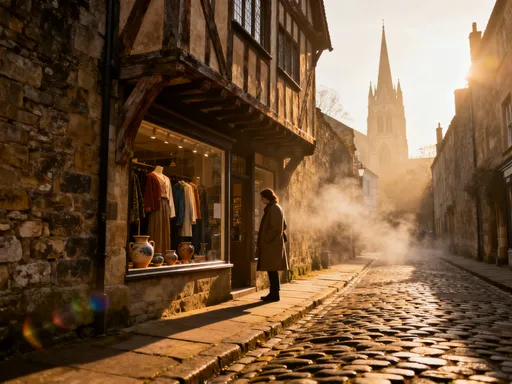
The Lauben—Bern’s iconic arcades—are more than an architectural feature; they are the lifeblood of the city’s shopping culture. Stretching over six kilometers through the Old Town, these covered walkways shield shoppers from rain, snow, and summer sun, creating a seamless, year-round retail environment. Dating back to the 13th century, the arcades were originally built as extensions of homes, where residents could sell goods directly from their living spaces. Over time, they evolved into a continuous network of shops, cafés, and workshops, all protected beneath stone roofs and supported by sandstone columns.
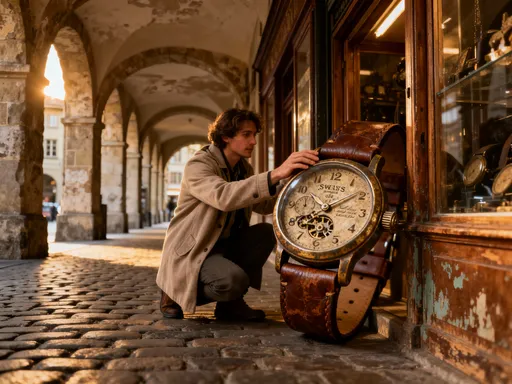
Walking through the Lauben is a multisensory experience. The scent of freshly baked bread drifts from a corner bakery, mingling with the rich aroma of roasting coffee from a family-owned roastery. Bells from the Zytglogge clock tower chime every hour, a sound that has marked time in Bern for over 800 years. Artisans work behind glass—watchmakers adjusting tiny gears, goldsmiths shaping delicate bands, and woodcarvers etching intricate patterns into soft linden wood. These moments of quiet creation unfold just steps away from shoppers browsing scarves, books, or hand-painted ceramics.
What makes the Lauben unique is their integration into daily life. Locals don’t just shop here—they meet friends, pick up groceries, and pause for a midday coffee. The arcades are not a tourist attraction divorced from reality; they are the real Bern. This authenticity is palpable. Unlike indoor malls that feel sterile and disconnected, the Lauben maintain a warmth, a sense of continuity. The stone floors, worn smooth by centuries of footsteps, tell a story of endurance. The covered passages create a rhythm to shopping—one that invites slowness, observation, and appreciation.
For visitors, the arcades offer a weatherproof advantage, but more importantly, they provide a sense of shelter and intimacy. Rainy days, which might deter exploration in other cities, become ideal for wandering Bern’s covered lanes. The experience feels protected, almost sacred—a space where commerce and culture coexist in harmony. In a world of rushed transactions and digital interfaces, the Lauben remind us that shopping can be an act of presence, a way to engage with a place and its people.
Local Crafts and Swiss-Made Treasures
Bern is a haven for lovers of handmade, high-quality goods. The city’s shops are filled with items that reflect Switzerland’s deep respect for precision, durability, and artistry. Among the most sought-after treasures are traditional wood carvings—delicate cuckoo clocks, intricately carved figurines, and decorative boxes made from Swiss pine or cherry wood. These are not mass-produced souvenirs but functional art pieces, often signed by the artisan and crafted using techniques passed down through generations.
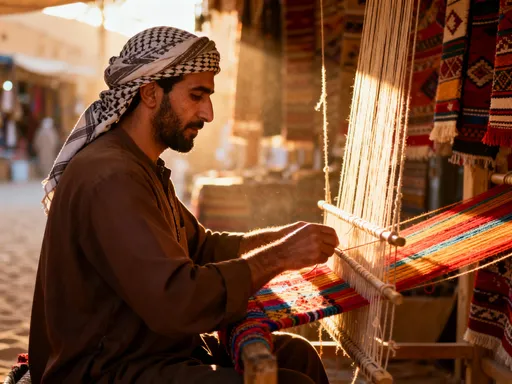
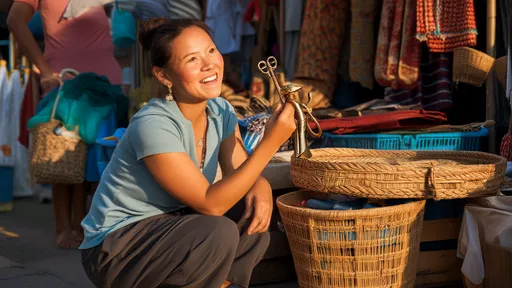
Equally prized are textiles featuring hand-stitched embroidery, a craft with roots in rural Alpine communities. Bernese embroidery, known for its floral motifs and fine detail, appears on table linens, aprons, and traditional dresses. While some items are ceremonial, many boutiques offer modern adaptations—embroidered handkerchiefs, cushion covers, or scarves—that blend heritage with everyday use. These textiles are more than decorative; they are emblems of patience, skill, and cultural pride.
Dairy products also hold a special place in Bern’s shopping identity. Berner Alpkäse, a mountain cheese made during summer months when cows graze on high-altitude pastures, is a regional specialty. Its rich, nutty flavor comes from the diverse alpine flora, and each wheel is aged for at least three months. Sold in cheese shops and markets, it makes for a delicious and authentic edible souvenir. Other dairy delights include creamy butter, fresh quark, and artisan yogurts, all made with milk from local farms.
For travelers, identifying genuine Swiss-made products is essential. Look for labels such as “Swiss Made” on watches and precision instruments, which legally require at least 60% of production to occur in Switzerland. For food items, the “AOP” (Appellation d’Origine Protégée) designation guarantees origin and traditional methods. Supporting local crafts not only ensures quality but also sustains small businesses and preserves cultural heritage. Every purchase becomes a quiet act of stewardship, helping to keep traditional skills alive in a fast-changing world.
Chocolate, Coffee, and Culinary Delights to Take Home
No visit to Bern is complete without indulging in its gourmet offerings. Swiss chocolate, world-renowned for its smooth texture and rich flavor, is available in countless forms—from single-origin bars to hand-dipped truffles filled with cherry liqueur or alpine honey. Local chocolatiers take pride in sourcing the finest cocoa beans and crafting their confections in small batches. Some shops even offer tastings, allowing visitors to sample dark, milk, and white varieties before choosing their favorites.
One of the joys of shopping for chocolate in Bern is the packaging. Many chocolatiers use elegant boxes adorned with Swiss motifs—edelweiss flowers, mountain peaks, or traditional costumes. These make the treats not only a pleasure to eat but also a beautiful gift. For those concerned about transport, most stores provide insulated wrapping or recommend carrying chocolates in hand luggage to prevent melting. Dark chocolate, in particular, travels well and can be stored for several weeks if kept cool and dry.
Coffee lovers will find equal delight in Bern’s family-run roasteries. Unlike industrial brands, these small businesses roast beans in-house, often highlighting single-origin varieties from Latin America, Africa, or Asia. The aroma alone is enough to draw passersby into the shop. Many roasteries offer brewing advice, from French press to pour-over methods, and sell handcrafted ceramic mugs or wooden coffee scales as complementary items. Buying a bag of freshly roasted coffee is a simple way to bring a piece of Bern’s café culture home.
Delicatessens throughout the city stock a variety of edible souvenirs: jars of alpine honey, bottles of herbal liqueurs like absinthe (a historic Swiss spirit), and dried fruits coated in chocolate. These items are not only delicious but also lightweight and easy to pack. For families, children’s favorites include milk chocolate shaped like bears—the symbol of Bern—or marzipan fruits hand-painted to look real. Culinary shopping in Bern is more than a transaction; it’s a sensory journey through taste, scent, and tradition.
Vintage Finds and Hidden Boutiques Off the Beaten Path
Beyond the well-trodden paths of the Old Town lie neighborhoods that reveal a different side of Bern’s shopping scene. In Länggasse, a lively street that slopes toward the Aare River, independent designers and vintage shops line the cobblestones. Here, the atmosphere is more bohemian, the storefronts more eclectic. Boutiques display curated collections of second-hand clothing—wool coats from the 1970s, silk blouses from the 1950s, leather handbags with timeless appeal. These are not thrift stores in the conventional sense but carefully edited spaces where fashion history is celebrated.
The Matte District, once a working-class neighborhood, has transformed into a hub for artisans and creatives. Small studios house jewelers who craft one-of-a-kind pieces from recycled silver, potters who throw mugs on handmade wheels, and bookbinders who restore antique volumes. Visitors can watch artisans at work, ask questions, and even commission custom items. The experience is intimate, personal, and far removed from the impersonal nature of online shopping.
Shopping in these areas feels slower, more intentional. There are no crowds, no pressure to buy. Instead, there is space to browse, to touch fabrics, to try on a vintage hat, to chat with the owner about how a necklace was inspired by river stones. These neighborhoods encourage a different kind of tourism—one based on curiosity rather than consumption. A shopping trip here might end with a riverside walk along the Aare, where the water glows emerald green and kayakers glide past historic bridges.
For those seeking unique gifts or personal mementos, these offbeat districts offer treasures that cannot be found in guidebooks. A hand-thrown bowl, a restored pocket watch, a linen dress with hand-embroidered cuffs—each item carries a story. And because these shops are small, purchases directly support individual artists and local entrepreneurship. This is shopping with a conscience, where value is measured not in price but in meaning.
Practical Tips for a Smooth Shopping Experience
To make the most of shopping in Bern, a few practical considerations can enhance the experience. Switzerland uses the Swiss Franc (CHF), and while credit cards are widely accepted, smaller vendors—especially at markets or artisan stalls—often prefer cash. It’s wise to carry a mix of bills and coins, particularly for purchases under 20 francs. ATMs are readily available, but some may charge fees for international cards, so check with your bank before traveling.
Non-EU residents are eligible for a tax refund on purchases over 300 CHF when buying from participating stores. To claim the refund, request a tax-free form at checkout, have it stamped at customs when leaving Switzerland, and submit it at the airport or via mail. Many shops display signs indicating tax-free shopping, and staff are usually familiar with the process. Keep receipts in a safe place throughout your trip to streamline the refund.
Opening hours in Bern follow a traditional Swiss schedule. Most shops are open Monday through Saturday, typically from 9:00 AM to 6:30 PM, with a break for lunch in smaller towns. Sunday shopping is limited to train stations, airports, and a few convenience stores. Many shops also close for holidays, particularly during Christmas and New Year, so it’s advisable to check local schedules in advance. Pharmacies and supermarkets may have reduced hours, but essential items are usually available.
The Bern Card is a valuable tool for visitors. Available at the tourist office and train station, it offers free public transportation within the city and discounts at museums, restaurants, and some shops. For those planning to combine shopping with sightseeing, the card provides both convenience and savings. It also encourages exploration beyond the city center, making it easier to visit neighborhoods like Länggasse or the Rose Garden without worrying about transit costs.
How to Make Your Shopping Part of a Deeper Travel Experience
Shopping in Bern can be more than a list of purchases—it can be a form of cultural immersion. When you take the time to talk to a cheesemonger about how Berner Alpkäse is aged, or ask a chocolatier about their favorite flavor combination, you’re not just buying a product; you’re learning a story. These conversations transform transactions into connections. They allow travelers to see the city through the eyes of those who live and work there.
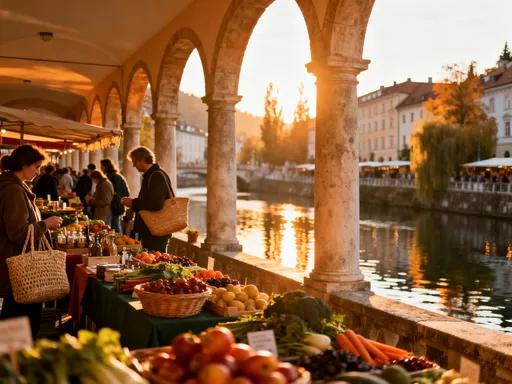
Tasting samples, attending a weekend market, or watching a craftsman at work deepens understanding. At the Bern Farmers’ Market on Bundesplatz, local producers sell honey, sausages, fresh vegetables, and homemade jams. The atmosphere is festive, with live music and the buzz of conversation. Shoppers can try before they buy, and many vendors offer small portions to sample. These markets are not just for food—they reflect community values, seasonal rhythms, and regional pride.
To balance shopping with sightseeing, consider pairing a morning of browsing with an afternoon visit to the Bear Park, where the city’s symbolic animals roam in a naturalistic setting along the Aare River. Or stop by the Kunstmuseum Bern, one of Switzerland’s oldest art museums, to view works by Swiss artists like Paul Klee. These experiences create a fuller picture of Bern—not just as a place to buy things, but as a living, breathing city with history, art, and nature woven into daily life.
When travelers approach shopping with curiosity rather than a checklist, they open themselves to unexpected discoveries. A conversation leads to a recommendation. A side street reveals a hidden courtyard. A simple purchase becomes a memory. This mindful approach honors both the traveler and the destination, fostering respect and appreciation. It turns a trip into a journey, and souvenirs into keepsakes with meaning.
More Than Souvenirs—Stories You Carry With You
What we bring home from our travels often outlives the journey itself. In Bern, the items you purchase are not mere objects—they are fragments of alpine life, Swiss precision, and quiet elegance. A bar of chocolate wrapped in golden foil, a hand-carved wooden spoon, a jar of honey harvested from mountain flowers—each carries a whisper of the place it came from. These are not things bought in haste, but treasures chosen with care, each with a story to tell.
Bern teaches us that shopping can be an act of mindfulness, a way to connect with people, places, and traditions. It invites us to slow down, to look closely, to engage. In a world of mass production and instant gratification, the city offers a different rhythm—one of craftsmanship, continuity, and human touch. To shop in Bern is not to consume, but to collect moments, memories, and meanings.
So let your curiosity guide you. Wander the arcades without a map. Step into a small shop because the window display caught your eye. Talk to the person behind the counter. Let the city reveal itself, one discovery at a time. When you return home, your suitcase may hold chocolates, cheeses, and crafts—but your heart will carry something deeper: the quiet magic of Bern, alive in every thoughtful choice you made.